
Babyname
DoSomethingGoodParenting
3.61.44K Reviews
- Version
- 3.4.5
- Installs
- 500.00K
- Age Rating
- Everyone
Screenshots


Our Review of Babyname
 Analysis by Appyee
Choosing a baby’s name can turn a sweet conversation into a surprisingly long negotiation. I like that Babyname makes the decision feel more like a shared activity than a debate: each person can react to names privately, then focus on the ones that appeal to both. That approach suits couples who want a starting point and a little structure, though it won’t replace the personal conversations that make a name feel right.
Readable enough for a quick shared activity
The basic idea is easy to grasp: two partners connect through the app and swipe through names. That simplicity matters when you’re tired, distracted, or not in the mood to learn a complicated planning tool. Rather than building a spreadsheet or keeping separate notes, you can use the same format to sort through possibilities together.
Its swipe-based design also makes browsing feel less like research. Still, I’d treat each match as a prompt, not a verdict. A name can look appealing in a quick pass and feel very different when you say it aloud with a surname, imagine calling it across a playground, or picture it on an adult. Saving promising choices for a slower second look is a useful way to keep the playful pace from deciding too much for you.
Comfort, pace, and different ways of taking part
Swiping is a direct interaction, but it may not suit everyone equally. Someone who finds repeated gestures tiring, has limited dexterity, or prefers reading a list at their own pace may find this style less comfortable than browsing names in a document or book. I wouldn’t assume the same interaction works for every user; the best test is whether both people can use it without the process becoming a chore.
The activity can also be easier to manage in short sessions than in one long naming marathon. If one partner wants to browse while the other is busy, the app’s paired approach may make coordination less convenient than keeping a shared note that either person can edit. For a couple who enjoys comparing reactions, that structure is part of the appeal; for people with different schedules or preferences, it can become friction.
Useful at home, less suited to every situation
I can picture using it on the sofa after dinner, each person taking a few minutes to look through names and later comparing the matches. That is a low-pressure setting where the conversational nature of the activity works well. It may be less comfortable in a noisy or interrupted moment, when you cannot give names much attention, or when one person would rather make a private shortlist before discussing it.
Compared with a baby-name book or a simple alphabetical list, Babyname gives the decision a shared, interactive rhythm. A book or list is often better for deliberate browsing, checking a particular spelling, or looking for a name that starts with a chosen letter. The app’s strength is helping two people discover overlap; it is not necessarily the best tool for every kind of research or for a parent making the choice alone.
Swipe Right for the Perfect Name
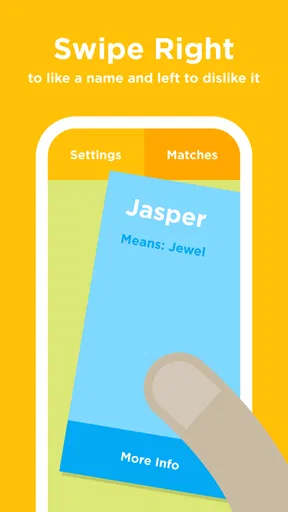
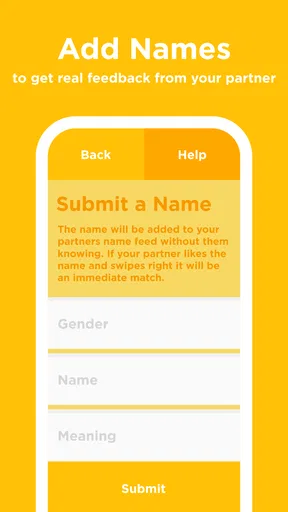
Let's dive into how Babyname works. The concept is pretty simple: you and your partner download the app and link your accounts. Then, you start swiping! If both of you swipe right on a name, it's a match. Think of it as a dating app, but for baby names. This makes it an engaging way to mutually decide on a name without endless back-and-forth discussions. Plus, it saves you from writing lists on napkins or creating yet another spreadsheet.
Features That Make It a Standout
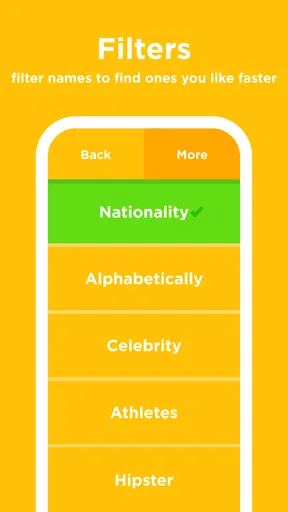
The app isn't just about swiping; it’s packed with features to make your naming journey smoother. With a database of over 30,000 names, you’re spoilt for choice. It covers a wide array of origins, so whether you're looking for something traditional, unique, or culturally significant, you'll likely find it here. You can also filter names based on gender, popularity, or even the length of the name. This level of customization is a huge bonus for picky parents.
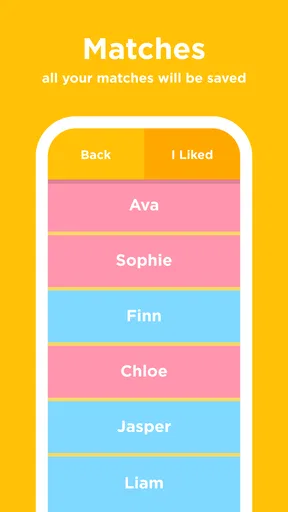
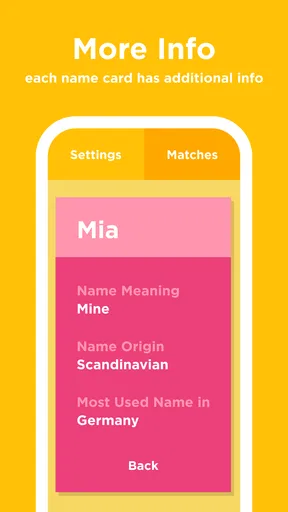
Another feature worth mentioning is the ability to see the meaning and origin of each name. This is super helpful if you're keen on picking a name with a particular background or significance. Plus, you can save your favorite names in a separate list, making it easier to revisit them later.
Why You’ll Love It
One of the reasons I really enjoyed using Babyname is its user-friendly interface. It’s straightforward, intuitive, and doesn’t come with a steep learning curve. Even if you’re not super tech-savvy, you’ll find the app a breeze to use. The swipe feature is smooth, and the app runs without glitches, which is always a plus.
Moreover, the app fosters a sense of collaboration between partners. It can be a fun bonding activity as you each discover which names resonate with both of you. No more arguing over the dinner table—just swipe and let the app do the heavy lifting!
A Few Things to Keep in Mind
While Babyname is a fantastic tool, it’s not without its quirks. For starters, it requires both partners to have the app installed and linked, so if your partner isn’t into apps, this might be a slight hurdle. Also, the app is primarily designed for heterosexual couples, so if you're a single parent or in a different family setup, you might not get the full intended experience.
Another consideration is that, while the database is extensive, some users might find certain names missing. If you’re looking for extremely rare or newly coined names, you might need to supplement your search elsewhere. However, for the vast majority of users, the variety offered is more than sufficient.
Making the shortlist work for you
A useful way to get more from a shared naming app is to agree on a few ground rules before the first swipe. You might decide whether you are looking for a name you both love immediately, or whether a tentative “maybe” deserves a second look. Without that distinction, one person may treat a match as a serious contender while the other sees it as a casual reaction. A short conversation about what counts as a yes can prevent that mismatch.
I’d also use the filters to explore deliberately rather than trying to swipe through everything. For example, you can start with a broad preference such as name length, then compare the results with a different popularity setting. This makes the exercise feel less random and can expose preferences you hadn’t put into words. The trade-off is that filters narrow the field: if you are open to surprises, leave room for browsing outside your usual type.
When a name catches both people’s attention, pause to check the details shown in the app and then consider the name in your own family context. Meaning and origin can help you understand why a name appeals, but they do not settle questions of pronunciation, spelling, or whether relatives will use a preferred nickname. I’d keep a separate note of those practical thoughts rather than asking a swipe result to carry the whole decision.
Who benefits most—and who may prefer another approach
This is most useful for two people who already agree that they want to choose together and are happy to browse on phones. It can be especially helpful when each person has a vague sense of what they like but struggles to turn that into a shortlist. A mutual match gives you a concrete place to begin talking, even if it is not the final choice.
It is less compelling if you are choosing on your own, if your co-parent does not want to install or use an app, or if you need a highly open-ended research process. In those cases, a notebook, a shared document, a naming book, or a direct conversation may be more flexible. Those alternatives make it easier to add family names, unusual spellings, pronunciation notes, and personal associations that may not fit a swipe-and-match routine.
Family involvement also deserves a little care. You might be tempted to show relatives the shortlist, but I’d first decide as a couple how much outside feedback you actually want. A list of shared favorites can invite useful reactions, yet too many opinions can turn a private choice into a vote. The app helps the two users compare their own tastes; it cannot resolve disagreements about family expectations or cultural significance for you.
Everyday use and practical limits
Imagine one partner has a quiet moment during a lunch break and the other is free in the evening. They can each respond when convenient, then use a shared match as the topic for a short conversation later. That is a more manageable routine than setting aside a long session, especially if name browsing starts to feel repetitive. If your schedules rarely overlap, though, the need to link both partners may make a simple shared list easier to maintain.
Another practical question is whether you need the app to be more than a discovery tool. The experience described here is centered on choosing names together, not on managing every part of pregnancy planning. I would use it for generating common ground, then move to a notes app or conversation for spelling options, surname combinations, and final decisions. That division of labor keeps expectations realistic and avoids treating a fun interface as a complete naming guide.
Babyname is a free parenting app from DoSomethingGood, with optional in-app purchases priced from $0.99 to $7.99 per item. It has a 3.7 average from around 10,000 ratings, with about 1,400 written reviews, and has passed 500,000 installs. Those figures suggest that plenty of people have tried it, but they are not a guarantee that its pairing style will fit your household. The app is rated for Everyone, and version 3.4.0 requires Android 7.0 or later.
If you are wondering whether you need to pay to begin, the app is free to install, while optional purchases may cost extra. I’d decide whether the core paired browsing works for you before spending on anything. And if you are unsure whether the name you want is included, use the available browsing and filters to test your naming style early; very uncommon or newly invented choices may still call for outside research.
Wrapping It Up
In conclusion, Babyname is an innovative and fun tool for soon-to-be parents navigating the daunting task of choosing a name. Its engaging, user-friendly design turns a potentially stressful decision into a delightful experience. Whether you’re seeking a popular name or something a bit more offbeat, the app provides a plethora of options to explore together.
So, if you’re ready to embark on the naming adventure, give Babyname a try. You might just find that perfect name for your little bundle of joy while having a bit of fun along the way. Happy swiping!
A considered recommendation
My recommendation is to treat Babyname as a conversation starter rather than an authority on what a name means or how well it will suit your child. The strongest use case is two people who want a light, structured way to find overlap; the weakest is anyone who needs solo access, extensive cultural or linguistic research, or a format that works without repeated swiping. If you keep those boundaries in mind, it can make the early shortlist more enjoyable without taking ownership of the final choice away from you.
For accessibility and day-to-day comfort, I would try a short session first and notice whether the pace, text, and touch interaction work for both people. If they do, save favorites and return to them when you can talk without rushing. If they do not, there is no need to force the format: a shared note or book can preserve the same collaborative goal in a way that better suits your hands, attention, schedule, or reading preferences.
Privacy and Permissions
See what permissions an app requests and how it handles your data.
- Other
- view network connections, full network access, prevent device from sleeping
Verdict
Strengths of Babyname
- User-friendly interface makes name browsing easy.
- Diverse name suggestions from various cultures.
- Allows collaboration with partner for name voting.
- Search filters enhance finding the perfect name.
- Free version offers ample features for most users.
Limitations of Babyname
- Limited offline functionality can be inconvenient.
- Some features locked behind a paywall.
- Occasional ads in the free version can be distracting.
- Lacks integration with other parenting apps.
- Name database updates could be more frequent.
Similar Picks in This Category
View All
Family Space
Motorola Mobility LLC.3.9

شرطة الأطفال - مكالمة وهمية
Oub Apps4.1

Findmykids: Parental Control
LETEM LTD4.6

Pregnancy + | Tracker App
Philips Electronics UK Limited4.8

Policía de niños - para padres
Kids police4.7

Pregnancy App
Amila4.9
Frequently Asked Questions
What is the main purpose of the Babyname app?
The Babyname app is designed to help expectant parents find the perfect name for their baby. It provides a user-friendly platform where both partners can swipe through a curated list of names. If both parents like the same name, it’s saved to a mutual favorites list, making the naming process collaborative and fun.
How does the matching feature work in the Babyname app?
The Babyname app’s matching feature allows both partners to swipe right on names they like and left on those they don't. When both partners swipe right on the same name, it automatically gets added to a shared favorites list. This feature simplifies finding a consensus on baby names by highlighting mutual favorites.
Is the Babyname app available on both Android and iOS platforms?
Yes, the Babyname app is available for download on both Android and iOS devices. This ensures that parents using different types of smartphones can still participate in the name selection process together. The app can be found on the Google Play Store for Android and the Apple App Store for iOS.
Are there any customization options in the Babyname app?
The Babyname app offers several customization options, including filtering names by gender, language, or popularity. Users can also set preferences to see more unique or traditional names, tailoring the experience to suit their specific tastes and needs while exploring options for their baby’s name.
Is there a cost associated with using the Babyname app?
The Babyname app is free to download and use with basic features. However, there may be in-app purchases or premium versions that offer additional features, such as access to a larger database of names or advanced filtering options. Users should check the app store listing for detailed pricing information.
